Syria Before War: When Streets Were Full of Life
Before 2011, Syria wasn’t defined by war. It was a place people visited, built lives in, and called home.
Its cities were among the oldest in the world. Its streets were filled with conversation, music, and the smell of food cooking late into the night. Families planned for the future. Children went to school. Life moved forward.
To understand Syria before the war, it helps to start with everyday life.
In this page you will find:
In This Page
You Will Find:
1. What Was Life Like in Syria Pre War?
The population of Syria before the war was around 22 million and in cities like Damascus and Aleppo, daily life felt rich and familiar.
Syria had a young and growing society full of ambition, and strong community ties. People gathered on balconies during warm evenings, calling down to street vendors or chatting with neighbors. Markets were busy and loud, filled with color, spices, fabrics, and fresh bread. Cafés stayed open late, and conversations stretched for hours.
2. A Country People Traveled Across the World to See
Syria before the war was a destination.
In 2019 alone, around 8.5 million tourists visited - drawn by ancient cities, Roman ruins, and some of the oldest continuously inhabited places on earth.
Visitors walked through Damascus’ old streets, explored bustling markets, and discovered historic sites like Palmyra and Bosra. Tourism supported millions of livelihoods, from guides and hotel owners to artisans and small businesses.
For many Syrians, sharing Syria before the war with visitors wasn’t just work, it was a source of pride.
3. Opportunity, Education, and Ambition
Life in Syria before war wasn’t perfect, but it offered something important: possibility.
Education was widely available, and universities in major cities welcomed students from across the region. Many people pursued careers in medicine, engineering, teaching, and business.
Between 2000 and 2010, the economy grew steadily, giving families the chance to build stable lives. Small businesses, local markets, and growing industries all played a role in supporting communities across the country. Tourism also contributed significantly, creating many jobs in cities rich with history and culture.
For many, Syria pre war was a place where the future felt open and hopeful.
4. Memories That Still Live On
Ask Syrians about life before the war, and the answers are often simple, and powerful.
Balconies filled with laughter on summer nights. The smell of grilled food drifting through the streets. Children playing between homes, calling out to each other. Ancient buildings that were part of everyday life.
These are not distant memories of Syria pre war. They belong to people who are still living with the devastating consequences of conflict today.
5. A Complex Reality Beneath the Surface
At the same time, Syria pre war was not without its tensions.
The country was governed under an authoritarian system, and political freedoms were limited, particularly around speech. For many, daily life continued as normal, but these restrictions shaped the wider environment.
Economic inequality was also growing, with some communities feeling the strain more than others. Environmental pressures added to this, especially a severe drought between 2007 and 2010. It affected farming regions, reduced incomes, and forced many families to leave rural areas and move into cities in search of work.
Over time, these pressures built quietly beneath the surface - until 2011 when they became part of a much larger and more devastating turning point for the country.
6. Why Remembering Syria Before the War Matters
Help SAMS protect Syrias future
Syria before the war was not just a place - it was millions of lives, routines, and futures.
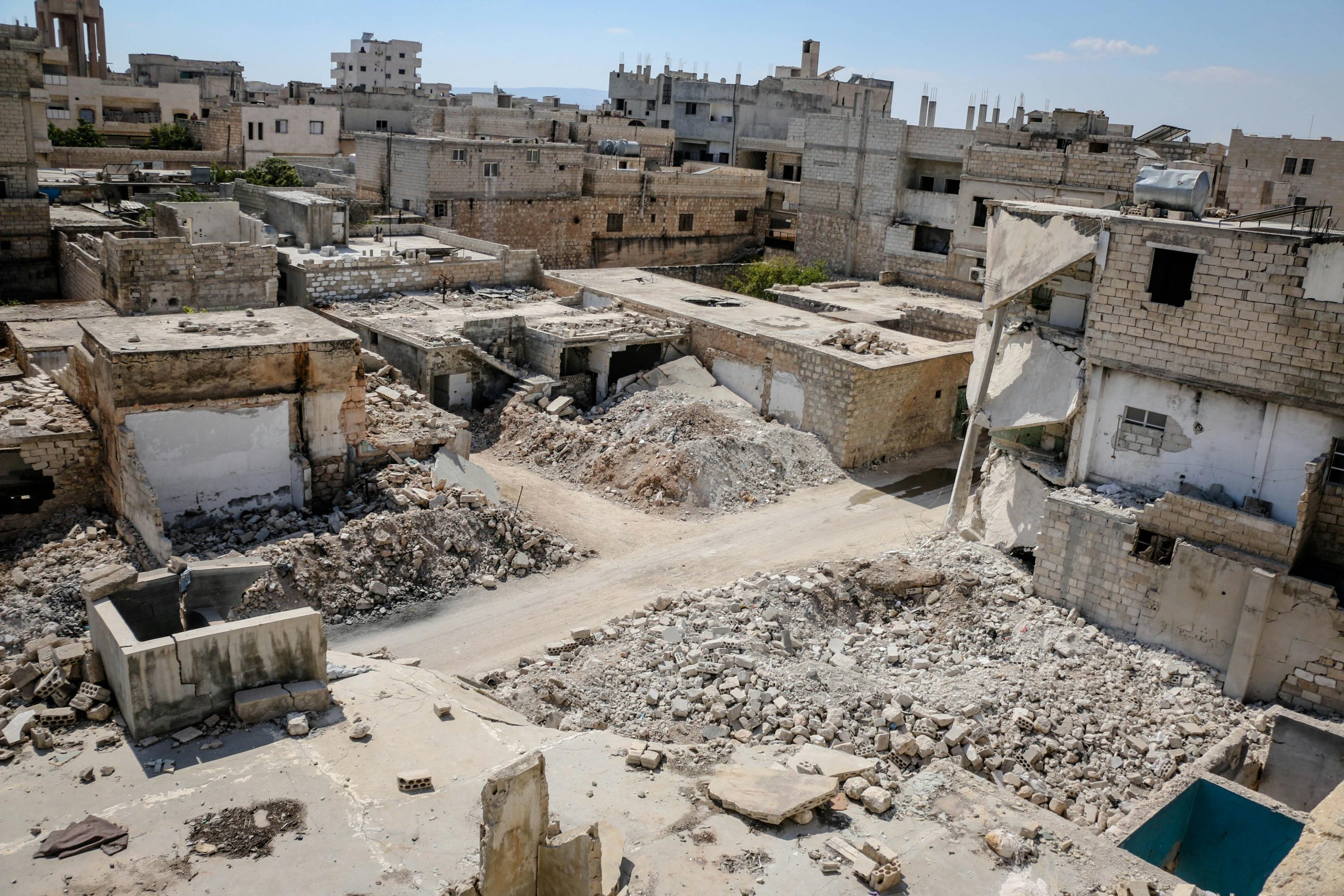
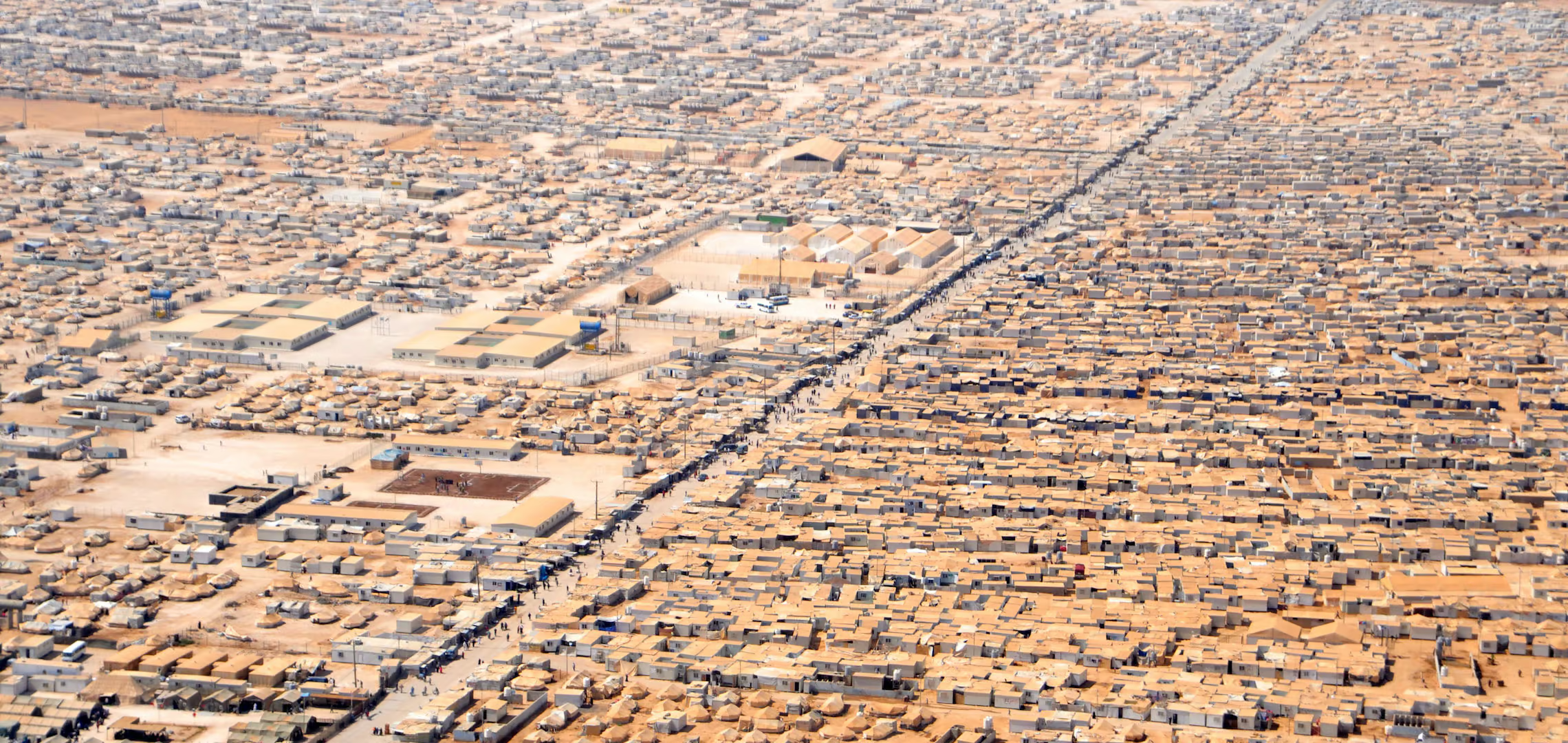
Today, much of that has been devastated. Hospitals have been damaged or destroyed, millions of families have been displaced, and access to healthcare remains one of the most urgent challenges. Right now, 16.7 million people in Syria need humanitarian aid, and 15.8 million urgently need medical care.
This is where we play a critical role.
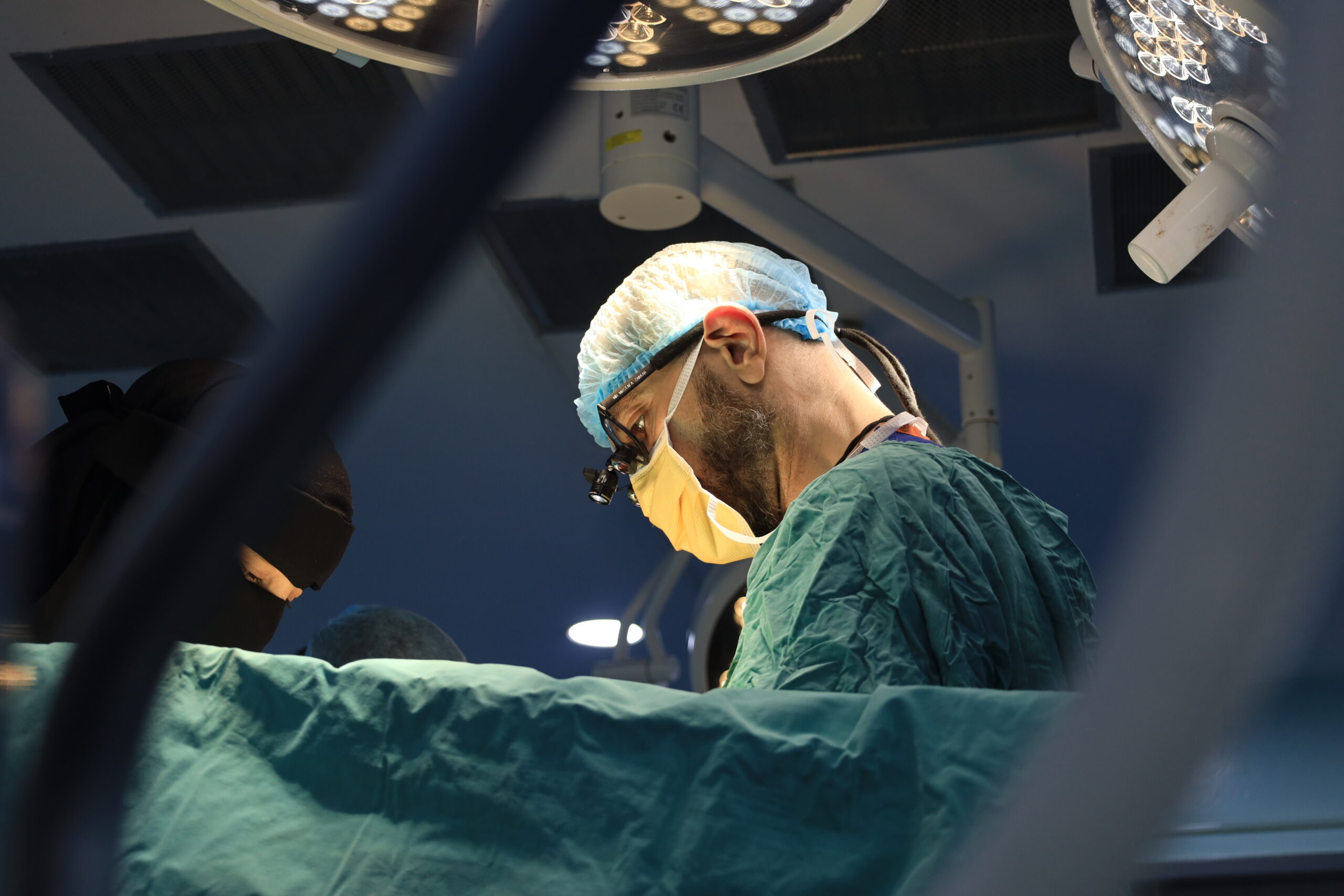
SAMS currently runs more than 40 medical facilities across six governorates, delivering over 9,000 medical services to the communities who need them most - including the 7.4 million people displaced within Syria's borders. In places like Idlib, where nearly half the population has been displaced, our teams provide maternal and child health care , nutrition support, and vaccines, alongside mental health services and care for patients with chronic illness and disabilities.
Through Syria Health 2030, our long-term recovery plan, we're moving beyond emergency response - rebuilding hospitals, training healthcare workers, and developing specialized centers of excellence in oncology, cardiology, and pediatrics. It's how we're working to restore what Syria was before the war: a country where families could count on the care they needed.
Because Syria before the war is not just a memory.
It’s a reminder of what can exist again - with the right support.