Syrian Refugee Crisis
Explained
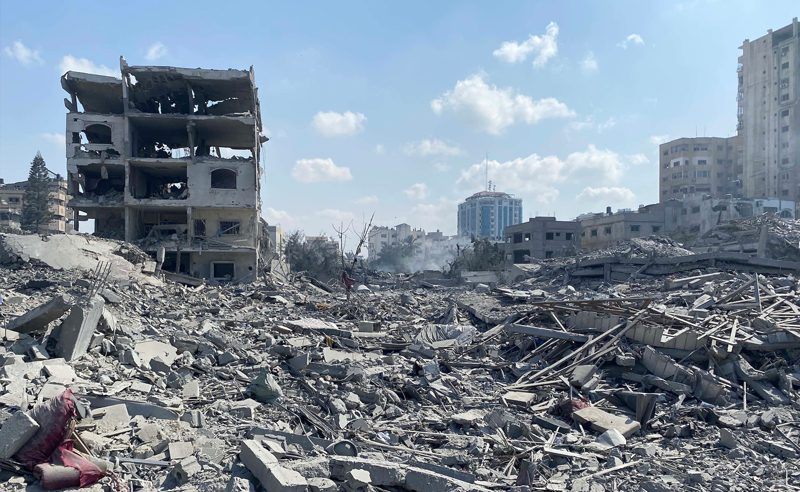
More than 14 years after the Syrian refugee crisis began, the country remains one of the world’s most complex and urgent humanitarian crises. In fact, the UN High Commissioner for Refugees described it as “the biggest humanitarian emergency of our era”
In This Page
You Will Find:
1. Syrian Refugee Crisis Explained and How to Help
Around 16.5 million people are still in need of humanitarian assistance, with many Syrians living in refugee camps both inside Syria and across neighboring countries.
The devastating 2023 earthquakes compounded the challenges, causing new displacement, civilian casualties, and disruption to essential services.
The Syrian American Medical Society (SAMS) has been on the ground since the early days of the crisis, leading one of the largest medical relief efforts through a vast network of hospitals, clinics, and mobile medical teams across Syria and neighboring countries.
Your support today can help deliver critical healthcare and hope to families navigating this ongoing crisis.

2. What is the Syrian Refugee Crisis?
The Syrian refugee crisis describes the large-scale displacement of civilians, with many fleeing across international borders for safety, while millions remain displaced within Syria. Together, these populations make up one of the largest humanitarian displacement emergencies in the world.
The crisis is the result of ongoing violence, collapsed infrastructure, and economic collapse that has made normal life impossible for millions of civilians.
3. How did the Syrian Refugee Crisis Begin?
The crisis began in March 2011, when peaceful protests against a lack of political freedoms, and high levels of poverty, escalated into armed conflict.
As the conflict intensified, access to basic services like water, healthcare, and schooling became more difficult, driving further displacement.
4. How many Syrian People have been Displaced?
The scale of the Syrian refugee crisis is staggering:
- An estimated 16.5 million people in Syria require humanitarian aid. Of those, more than 7.5 million are children in urgent need of assistance
- Approximately 7.4 million people are internally displaced inside Syria
- An estimated 4.4 million Syrian refugees are registered in neighboring countries, and over 2 million are living in temporary refugee camps.
- Approximately 9.1 million Syrians face acute food insecurity.
- Roughly 50% of the hospitals in Syria are non-functional, and millions face issues accessing sufficient clean water and safe sanitation systems.
Behind every number is a family facing uncertainty. With continued support, organisations like SAMS can help ensure access to essential medical care for those who need it most.
5. Where do Syrian Refugees Live?
In these places, many Syrian refugees live in refugee camps or informal settlements, while others rent homes in towns and cities. Conditions can vary widely, but access to clean water, education, and healthcare remains a struggle for many.
Inside Syria, millions of internally displaced people are also living in overcrowded sites or informal shelters, often with limited access to basic necessities.
6. What Challenges do Syrian Refugees Face?
Syrian refugees face a range of difficulties:
- Poverty and food insecurity: More than 70% of Syrian refugees currently live below the poverty line and rely on aid for basic needs.
- Healthcare access: Limited medical services and overstretched health systems make treatment harder to get, especially for chronic illness and maternal care.
- Education disruption: Many children have lost years of schooling due to displacement.
- Psychological trauma: Years of conflict and loss have lasting emotional impacts on families.
7. What about Syrian Refugees in Camps?
Many Syrian refugees live in camps originally designed to provide temporary shelter and basic services. These can range from organized, aid‑supported sites to informal settlements with limited infrastructure. Conditions vary widely between camps, but overcrowding and insufficient access to services remain common issues.
Camps are often established close to borders to help families stay near familiar regions, but the long-term nature of displacement means that many people may live in Syrian refugee camps for years.
8. How are Children affected by the Syrian Refugee Crisis?
Children bear a heavy burden in the Syrian refugee crisis. Many have spent their entire lives in displacement or living with the threat of violence. Many children are out of school, limiting their development and future opportunities.
Refugee children are also more vulnerable to health risks due to malnutrition, poor sanitation, and inadequate medical care. Mental health challenges are widespread, as children cope with trauma, loss, and ongoing uncertainty.
9. Can Syrian Refugees Return Home?
There have been reports of some Syrians returning home following developments in late 2024. However, conditions across much of the country remain unstable, and return is not feasible or safe for many families.
According to available estimates, approximately 750,000 Syrian refugees have returned from neighboring countries, and over 1,000,000 internally displaced people have gone back to their home areas since December 2024. However, these movements are taking place against a backdrop of ongoing humanitarian need across the country.
For many Syrians, returning home still presents significant challenges. Homes may be damaged or destroyed, infrastructure remains weakened in many areas, and access to essential services such as water, electricity, and healthcare is often limited. As a result, many refugees and internally displaced people continue to face difficult choices about if and when return may be possible.

10. How is the Syrian American Medical Society (SAMS) helping?
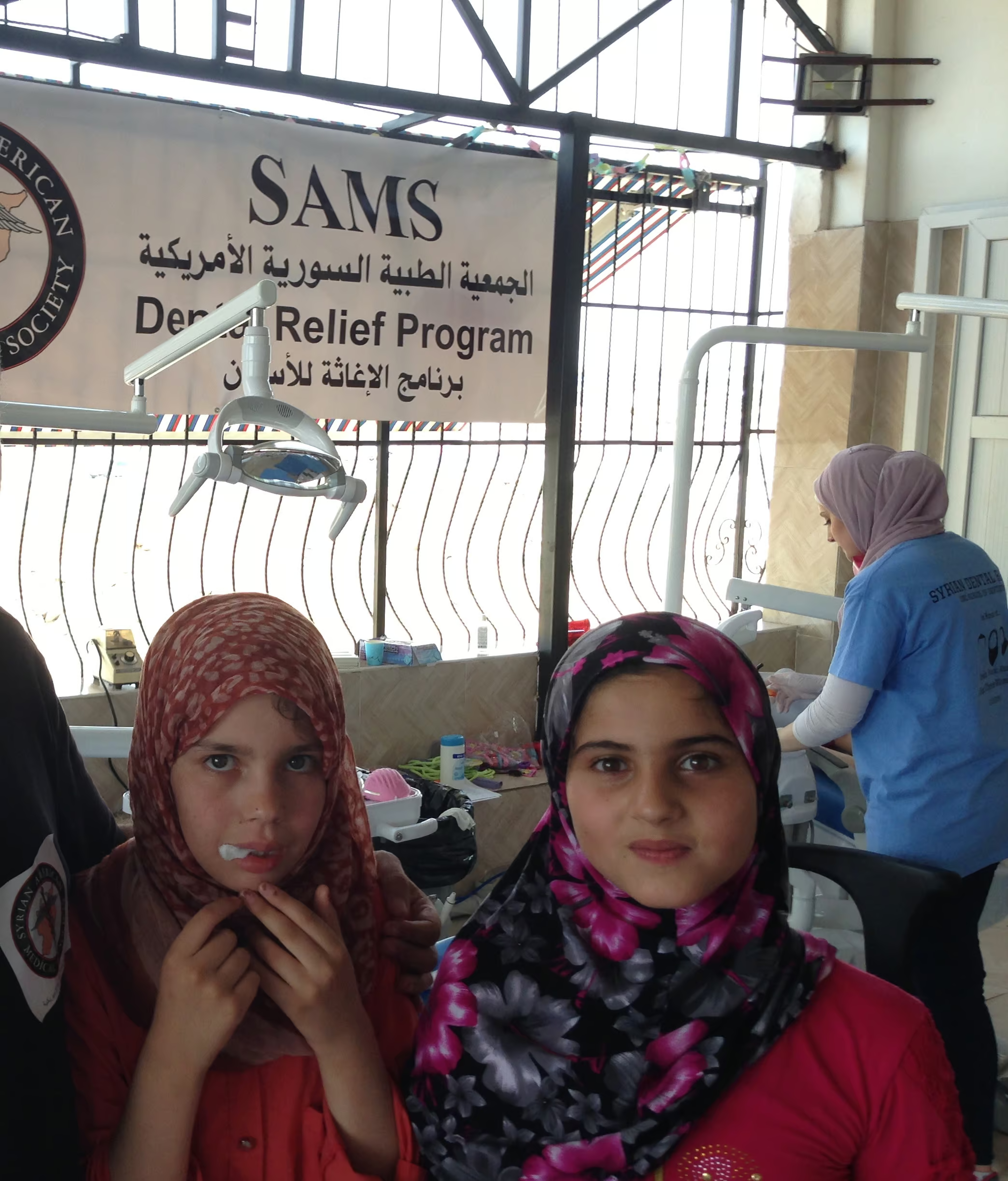
The Syrian American Medical Society plays a leading role in responding to the Syrian refugee crisis. For more than a decade, SAMS has supported hospitals, primary healthcare centres, and mobile medical teams across Syria and neighbouring countries, delivering sustained care to millions of people affected by conflict and displacement.
Working across multiple settings, including Syrian refugee camps, SAMS provides:
- Medical support: Emergency care, maternal health services, pediatric care, and treatment for chronic diseases.
- Healthcare training: Training local medical professionals to help sustain services long‑term.
- Mental health support: Helping individuals and families cope with trauma.
- Medical supplies: Delivering essential medicines, equipment, and hygiene kits to areas where access is limited.
Our teams often operate in extremely challenging conditions, ensuring that displaced families receive quality care when they have nowhere else to turn.
11. Why does the Syrian Refugee Crisis Still Need Support?
Even as some refugees return home, the need for humanitarian aid remains high. Ongoing economic hardship, damaged infrastructure, and limited healthcare continue to make daily life difficult.
Your support can help save lives.
Donations to SAMS directly fund medical care, emergency response, and supplies for vulnerable families affected by the Syrian refugee crisis. Every contribution helps bring dignity, hope, and essential services to people struggling to rebuild their lives.