Pay Your Fidya and Kaffarah
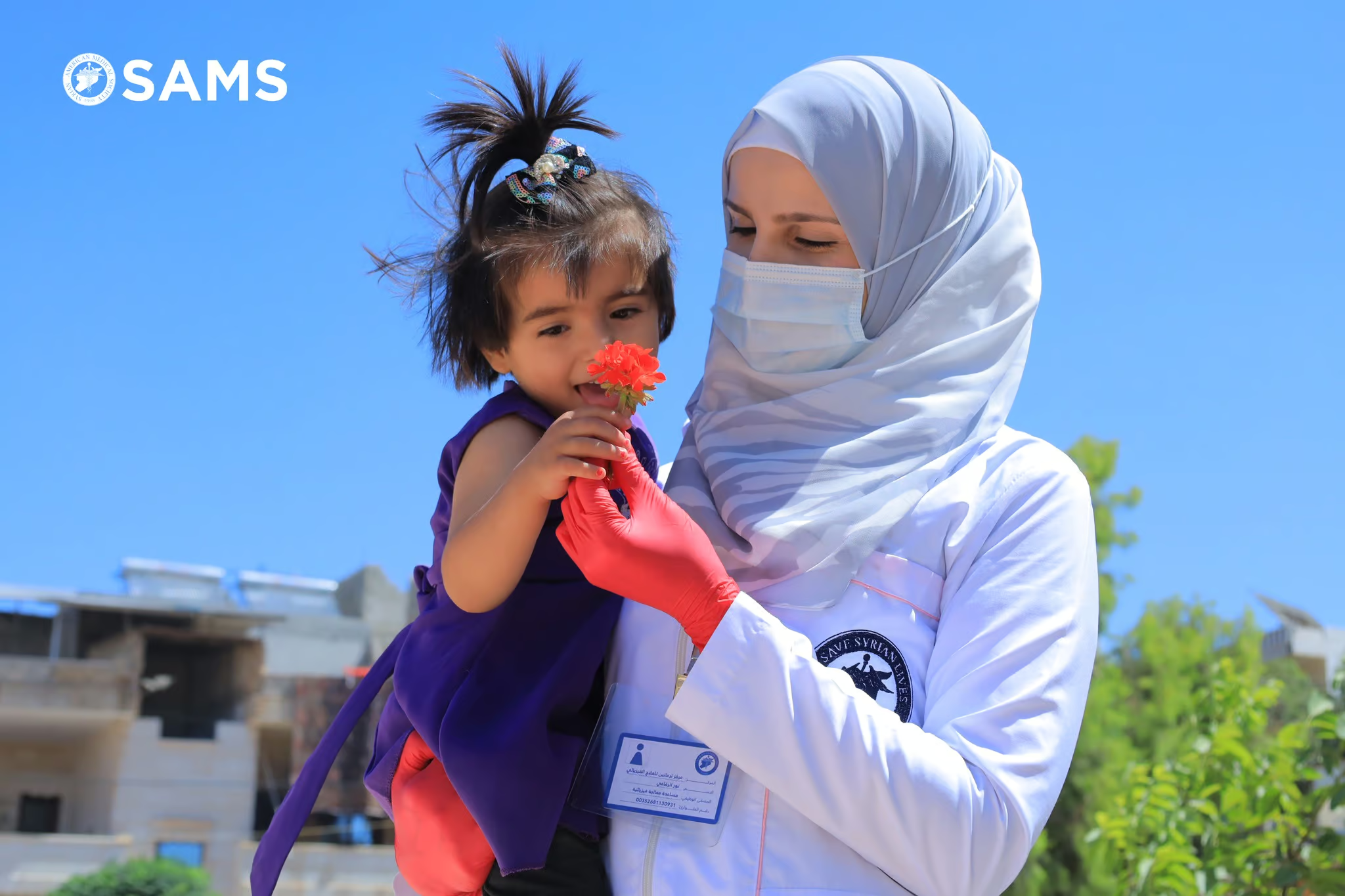
This Ramadan 2026, paying your Fidya or Kaffarah to SAMS can help provide life-saving medical care to Syrian families who have been displaced, injured, or left without access to healthcare.
What Are Fidya and Kaffarah?
Both Fidya and Kaffarah are charitable payments in Islam connected to missed or broken fasts during Ramadan — but they apply in different situations.
Fidya is given when someone cannot fast due to a valid, ongoing reason — such as chronic illness, old age, pregnancy, or another condition that prevents them from making up the missed fasts later. It covers the cost of feeding one person in need for each fast missed.
Kaffarah applies when a person deliberately breaks a fast without a valid reason. It carries a more significant obligation: feeding 60 people for each fast deliberately broken, as an act of expiation and accountability.
Understanding the difference helps ensure you fulfill the right obligation — and that your giving reaches those who need it most.
How Much is Fidya and Kaffarah for Ramadan 2026?
Fidya 2026
- $15 per missed fast
- $450 for the full month of Ramadan
This amount is based on the average cost of providing two meals to a person in need. If you miss multiple fasts, simply multiply $15 by the number of days missed.
Kaffarah 2026
- $600 per deliberately broken fast (equivalent to feeding 60 people)
- If you have broken multiple fasts, each one requires a separate Kaffarah payment
Please note: There are slight differences of opinion among Islamic scholars regarding the exact calculation of both Fidyah and Kaffarah. If you're unsure how much to pay, please seek guidance from a trusted scholar.
Can Fidya and Kaffarah Be Used for Medical Relief?
Many donors ask whether these payments must be used strictly to provide food, or whether they can support other forms of humanitarian aid such as medical care.
The short answer is yes.
In Islamic tradition, both Fidya and Kaffarah are fulfilled by feeding people in need. However, the core objective in Islamic teaching is not the food itself — it is relieving hardship and supporting those who are poor and vulnerable in a tangible way.
For this reason, many Islamic scholars allow the monetary equivalent to be given to trusted charitable organizations, as long as the funds directly benefit those who qualify as poor (fuqara and masakeen) and address essential human needs.
In humanitarian crises such as the Syrian conflict, those essential needs often extend far beyond food. For families displaced by conflict, for children suffering from malnutrition, for mothers in need of safe childbirth, and for patients requiring life-saving surgery — medical care is not a luxury. It is survival. In many cases, access to treatment is just as urgent as access to food.
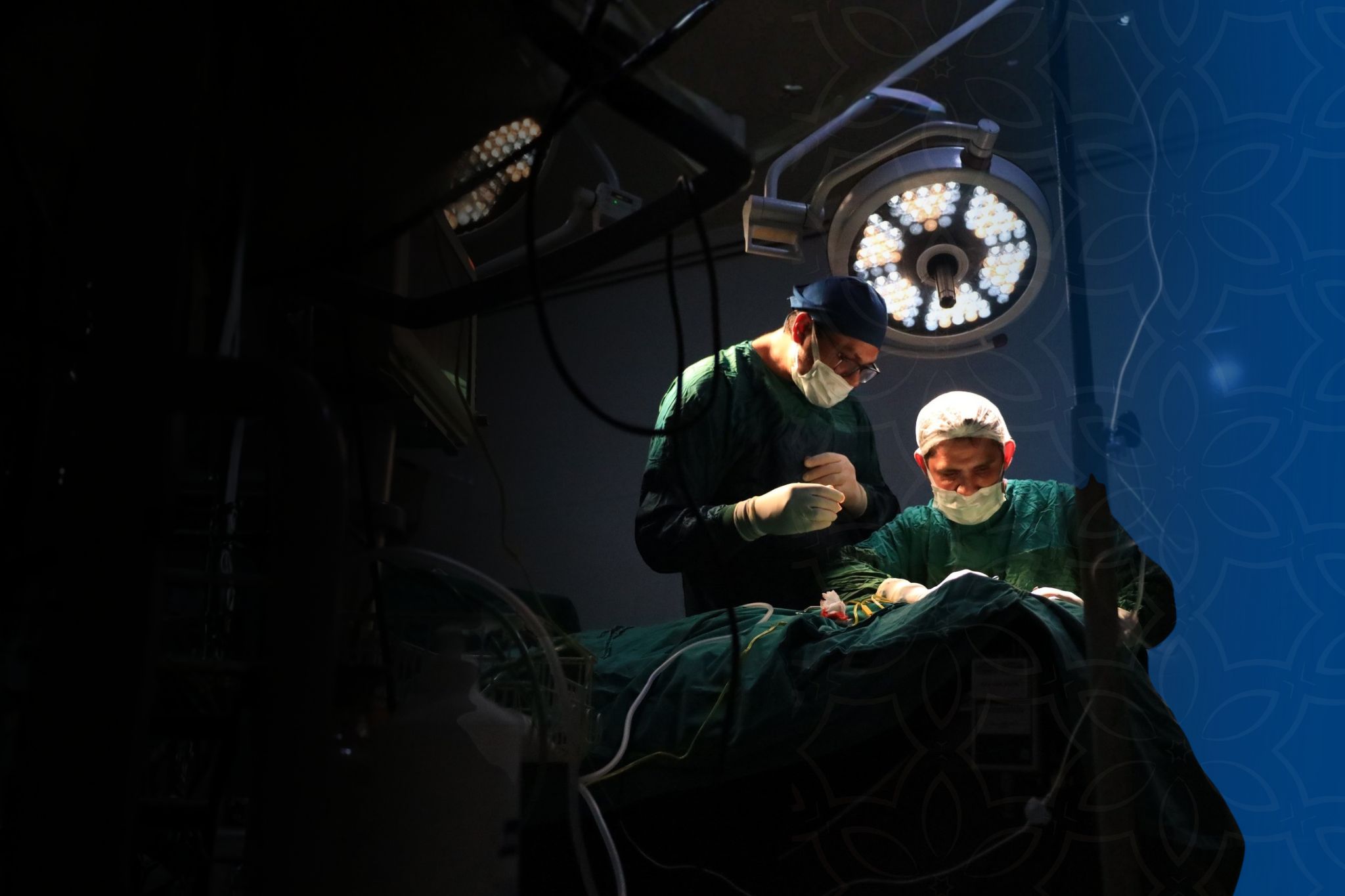
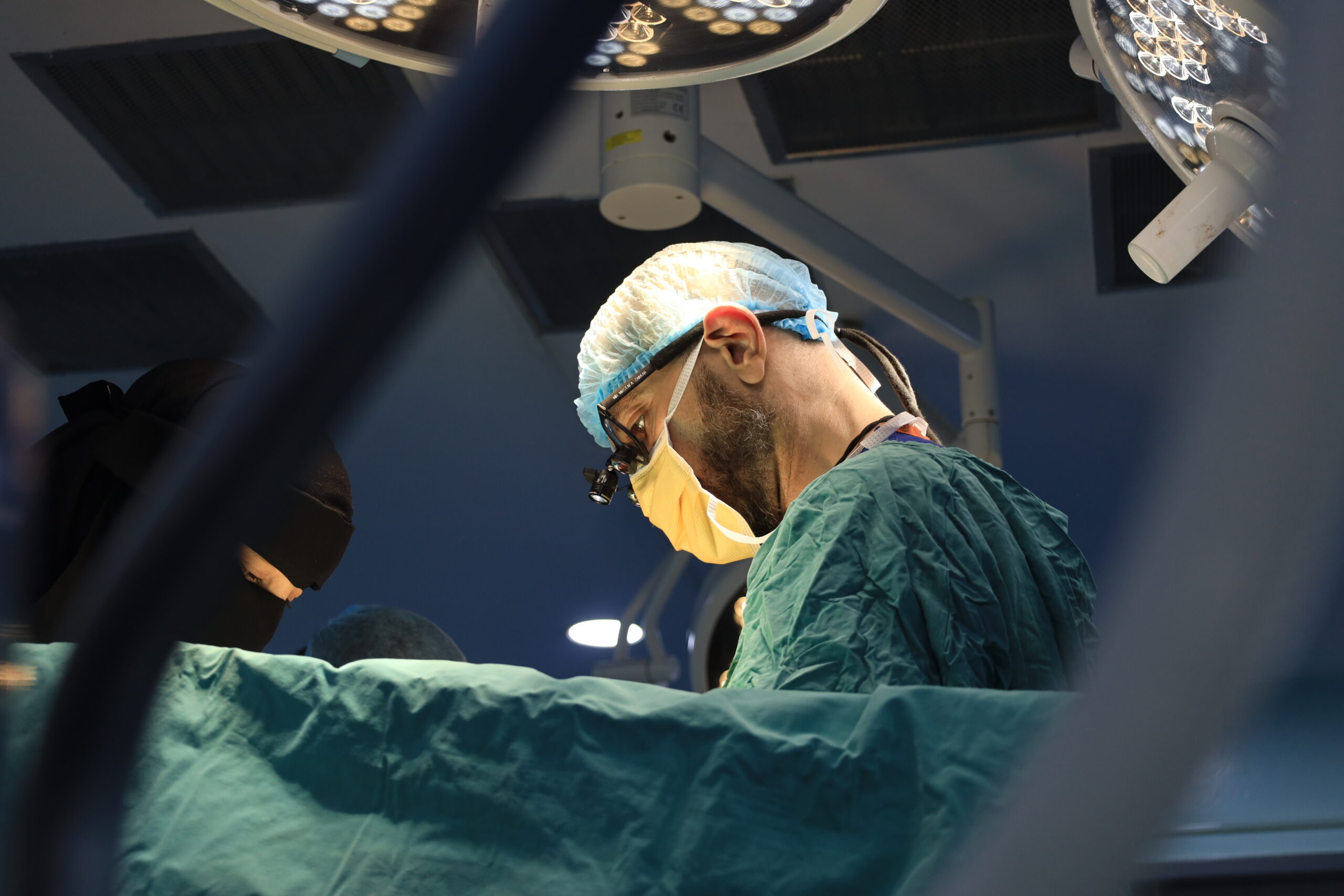
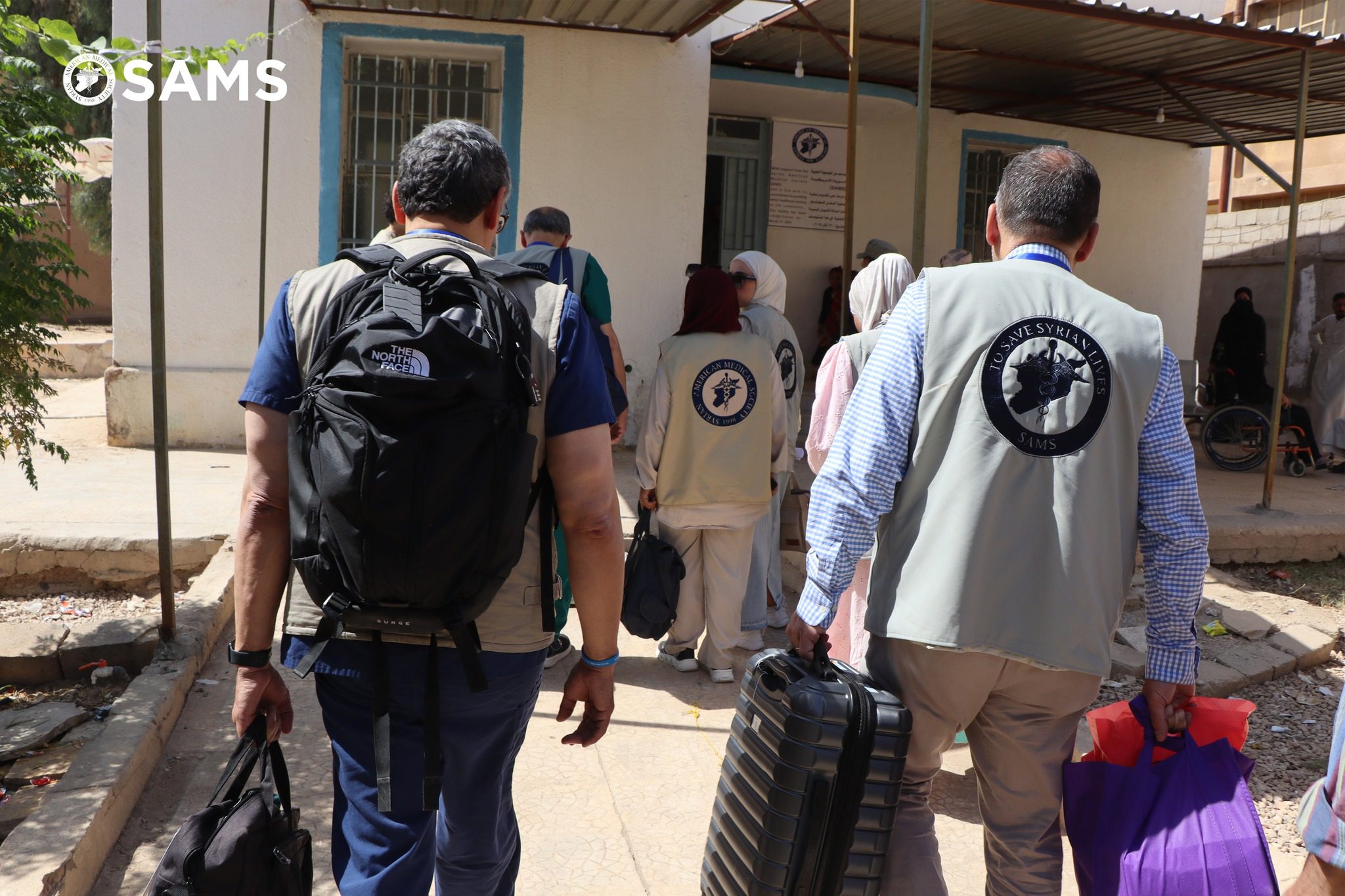
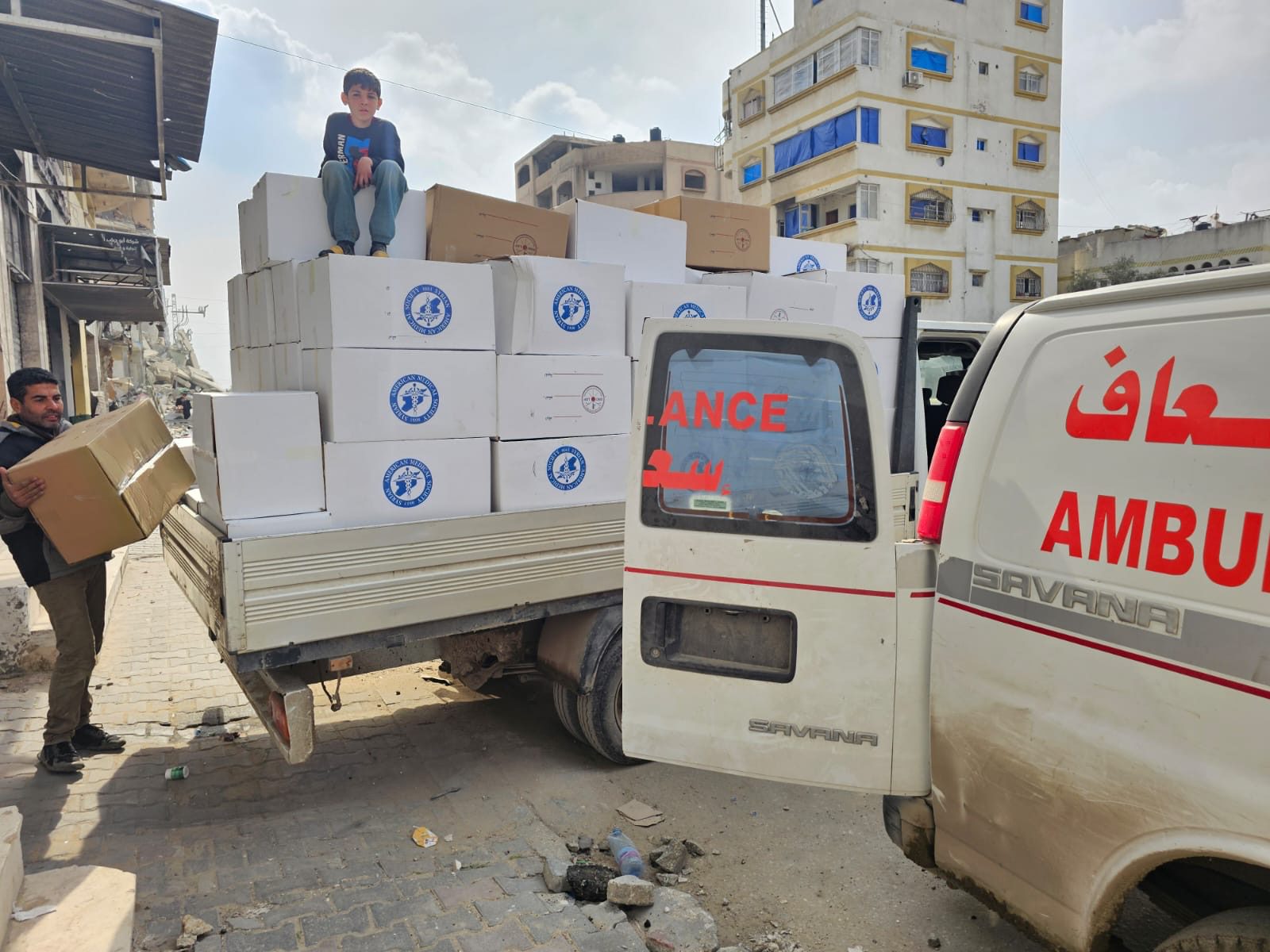
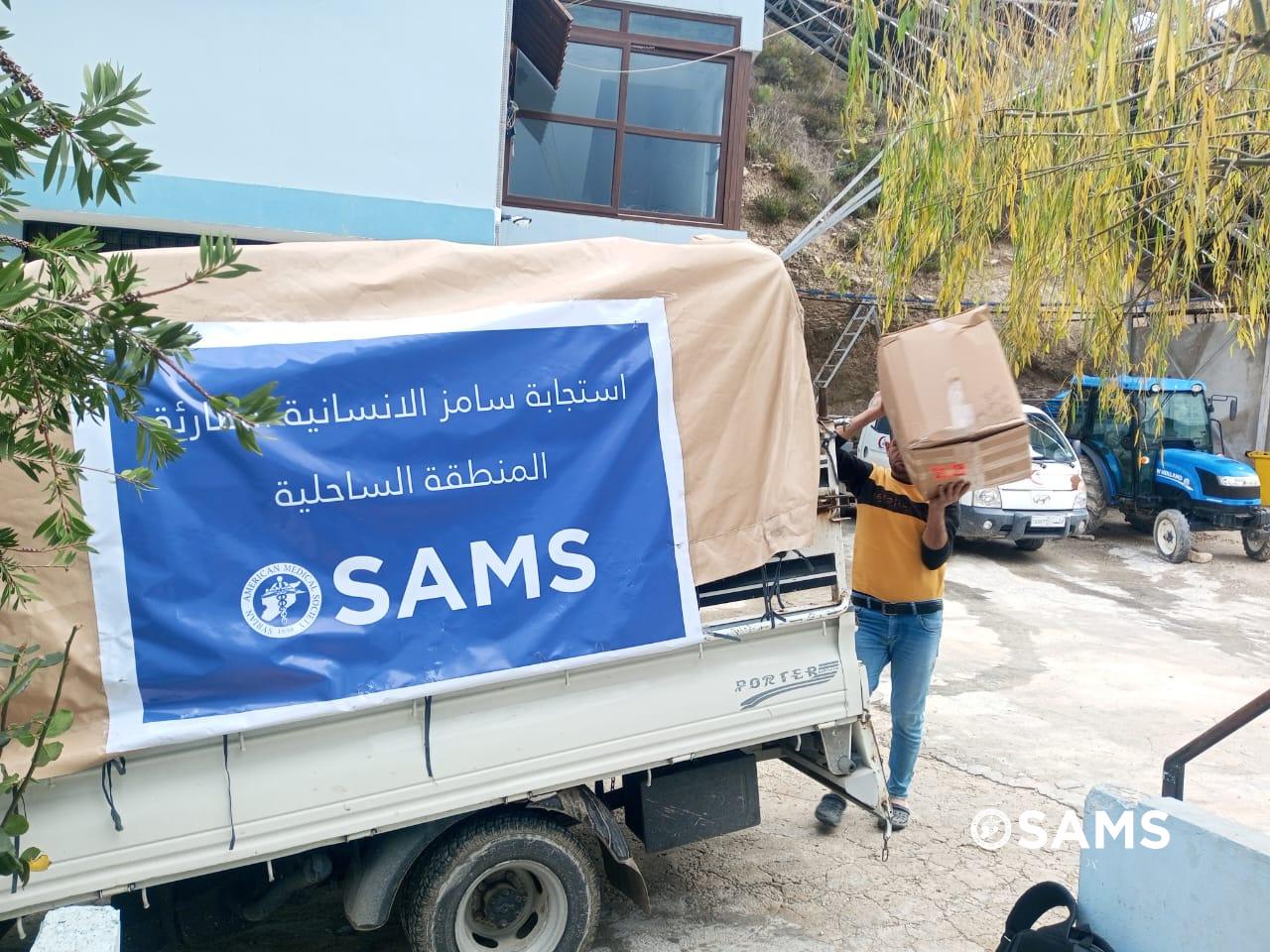
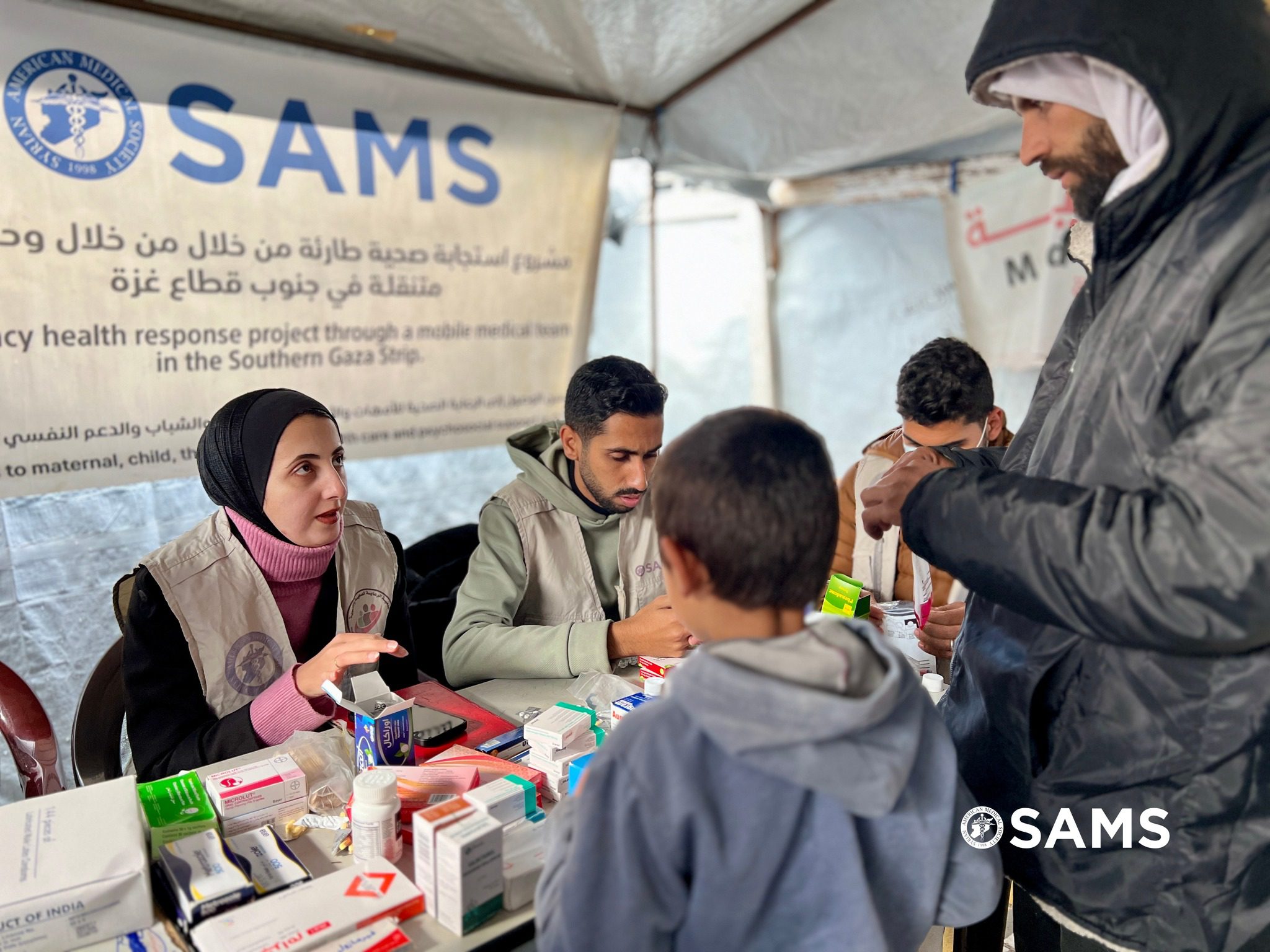
When SAMS provides free surgeries, emergency care, medications, maternal health services, and treatment for low-income and displaced patients, it is directly serving individuals who qualify as poor and vulnerable. Many of these patients have no other access to healthcare. Without support, their conditions can become life-threatening.
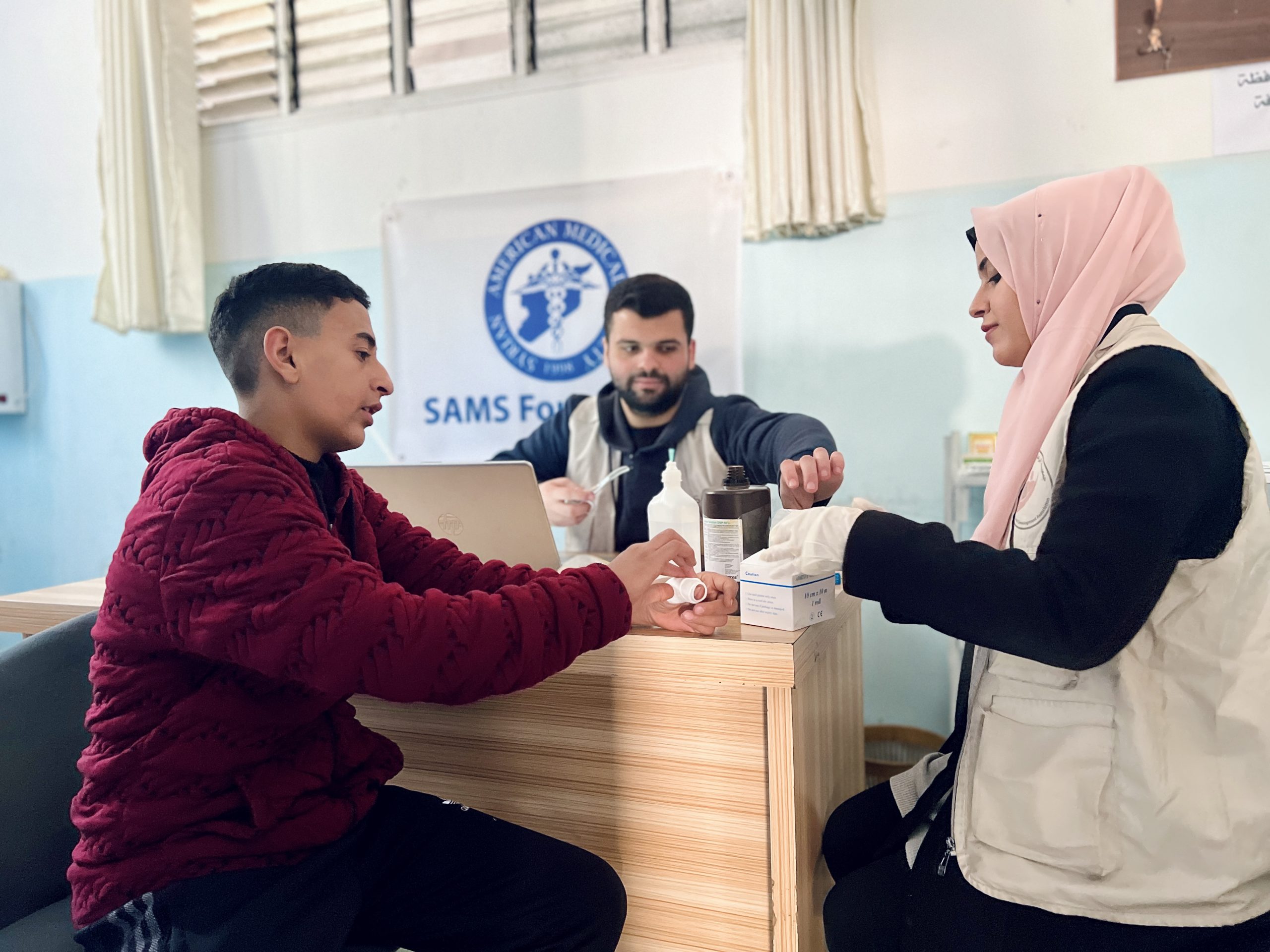
By donating your Fidya or Kaffarah to SAMS, you are still fulfilling the core obligation: relieving hardship and helping those most in need. The assistance comes in the form of medical care rather than meals — but the purpose is fully preserved, the value reaches eligible recipients, and the intention of the donor is honored.
Islamic giving is rooted in compassion, dignity, and the alleviation of suffering. In times of crisis, providing access to life-saving healthcare is one of the most powerful ways to uphold those principles — and to bring healing and hope to those who need it most.
Why Trust SAMS With Your Fidya or Kaffarah
SAMS ensures that all donations are distributed in accordance with Islamic guidelines, with full oversight from our Shariah advisory board.
- Syrian-Led Expertise: Founded in 1998, SAMS USA is a global, Syrian-led medical relief organization delivering frontline care in Syria, Lebanon, Jordan, Iraq, Gaza, Greece, and Ukraine.
- Shariah Compliant: Our programs are designed and supervised by medical specialists and Shariah advisors to ensure your Fidya and Kaffarah are distributed according to Islamic guidelines.
- Decades of Impact: Millions of patients treated, thousands of surgeries performed, and dozens of hospitals and clinics supported across crisis zones.
- Secure & Transparent: Your funds go directly to eligible recipients, with full accountability and reporting.

Why Are Fidya and Kaffarah Important?
Both obligations ensure that no one is excluded from the accountability and blessings of Ramadan — whether due to unavoidable hardship or a lapse that requires expiation.
They reinforce the Islamic principle of caring for those in need while maintaining integrity in worship. Through Fidya and Kaffarah, your missed or broken fasts become a source of nourishment and relief for someone else.
Giving is not only an act of compensation — it is an act of compassion.
How to Donate Your Fidya or Kaffarah
You'll receive an email confirmation once your donation is complete, along with the option to subscribe to our newsletter to see the impact of your support.
Your Fidya or Kaffarah can be given in a few clicks — and its impact can last a lifetime.

Fidya and Kaffarah 2026 — FAQs
1. Am I required to pay Fidya or Kaffarah?
You are required to pay Fidya if you are unable to fast due to chronic illness, pregnancy or nursing, old age, or another valid reason where making up the fasts later is not possible.
You are required to pay Kaffarah if you deliberately break a fast during Ramadan without a valid reason.
If your situation is temporary and you plan to make up the missed days, you are generally expected to do so rather than pay Fidya.
2. What is the difference between Fidya and Kaffarah?
Fidya applies when someone cannot fast for a valid reason and is unable to make up the missed fasts later. Kaffarah applies when a fast is broken deliberately without a valid excuse. The amounts also differ significantly: Fidya covers feeding one person per missed fast, while Kaffarah requires feeding 60 people for each fast broken intentionally.
3. How do I calculate and pay Fidya or Kaffarah (2026)?
For Fidya: multiply the number of fasts you cannot observe by $9. For the full month, that is $270.
For Kaffarah: each deliberately broken fast requires a payment of [PLACEHOLDER AMOUNT], equivalent to feeding 60 people.
Both may be paid at any point during Ramadan, though many prefer to fulfill the obligation before the month ends.
4. When should a Fidya or Kaffarah payment be made?
Fidya can be paid as soon as it becomes clear that you are unable to fast and will not be making up the missed days. Kaffarah should be given as soon as possible after a fast has been deliberately broken. Both may also be paid after Ramadan if necessary.
5. How does SAMS use Fidya and Kaffarah payments?
SAMS uses these donations to support vulnerable patients and families through medical consultations and treatment, maternal and newborn care, emergency services, essential medications, and community health programs. Funds are prioritized for low-income and displaced patients who qualify as vulnerable, ensuring your obligation directly benefits those most in need.