SAMS Welcomes Repeal of Caesar Act as Step Toward Syria’s Economic Recovery
December 12, 2025
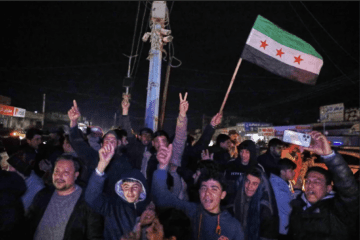
SAMS welcomes the repeal of the Caesar Syria Civilian Protection Act included in the FY2026 National Defense Authorization Act (NDAA), which has now passed the House of Representatives. This act, originally enacted to impose sanctions on the Assad regime for war crimes, has weighed heavily on Syria’s recovery and its repeal represents a significant policy shift toward enabling economic revival and reintegration into global markets.
We extend our appreciation to U.S. policymakers and leaders in Congress, as well as allied partners, whose efforts made this step possible. We also recognize the sustained, collective advocacy of the Syrian American community and organizations whose engagement helped elevate the humanitarian and economic impacts of these measures.
While this repeal, once finalized by the U.S. Senate and signed by the President, would remove one of the most restrictive elements of the U.S. sanctions regime on Syria, we emphasize that the work does not end with Congressional approval. We call on the United States Government and like-minded partners to work closely with the private sector and affected economic sectors to relax related regulatory and compliance restrictions that continue to hinder engagement with Syria. Clear, predictable assurances are needed so that banks, companies, and investors can operate with confidence and contribute to sustainable recovery efforts without fear of penalties. This includes practical guidance from U.S. financial regulators, expanded humanitarian and commercial licensing, and transparent implementation timelines that enable realistic planning and risk management.
In recognition of Syria’s evolving political context and recovery trajectory, we also urge U.S. policymakers to consider a structural review of Syria’s Sponsors of Terrorism designation once conditions allow. Such a step would further facilitate economic engagement and the restoration of people-to-people connections essential for long-term stability.