Your generosity delivers life-saving medical care to families across Syria, Lebanon, Jordan, Iraq, Gaza, Greece, and Ukraine—from safe deliveries to oncology care, mental health support, and emergency response.
In this page:

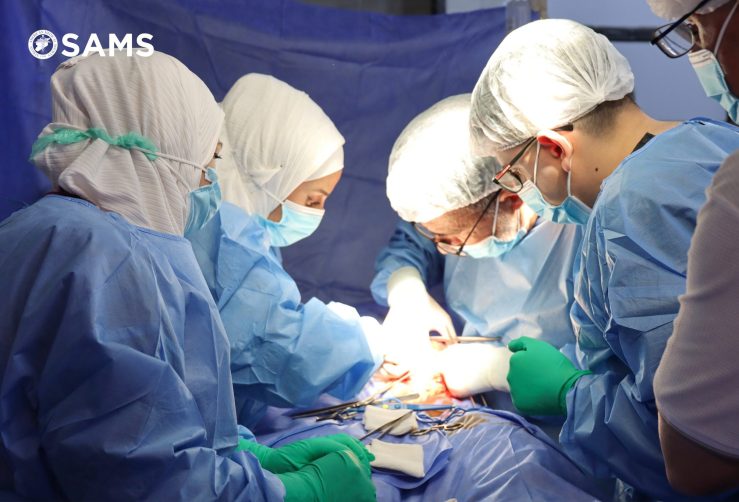
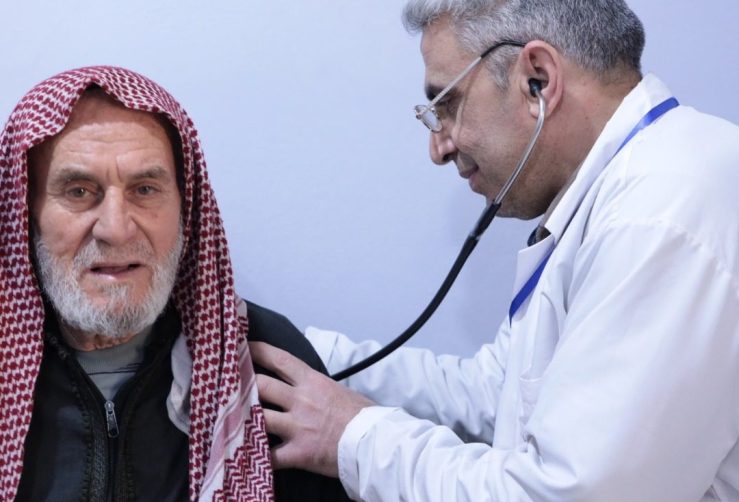
Your support helps SAMS respond rapidly to urgent medical needs—from emergency care to surgeries and essential medications in Syria and across all countries we serve.
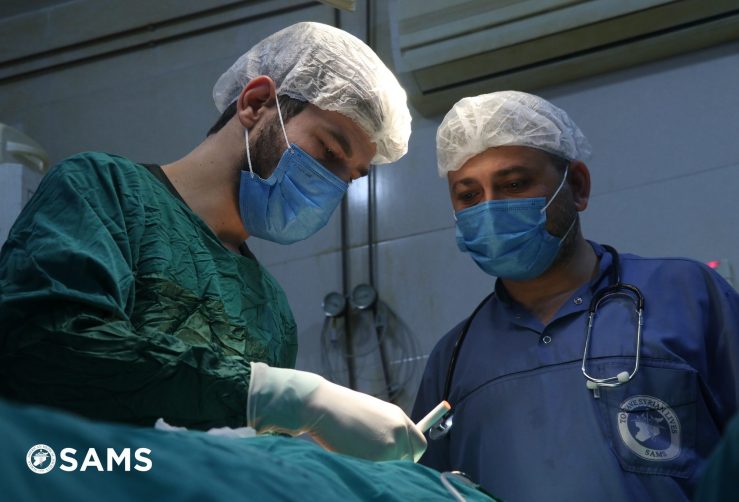
SAMS is rebuilding Syria’s healthcare system by combining immediate lifesaving care with long-term investments in hospitals, medical staff, and health infrastructure to ensure quality care for today and the future.

SAMS supports oncology centers across Northwest Syria, ensuring cancer patients receive life-saving treatment even in crisis conditions.

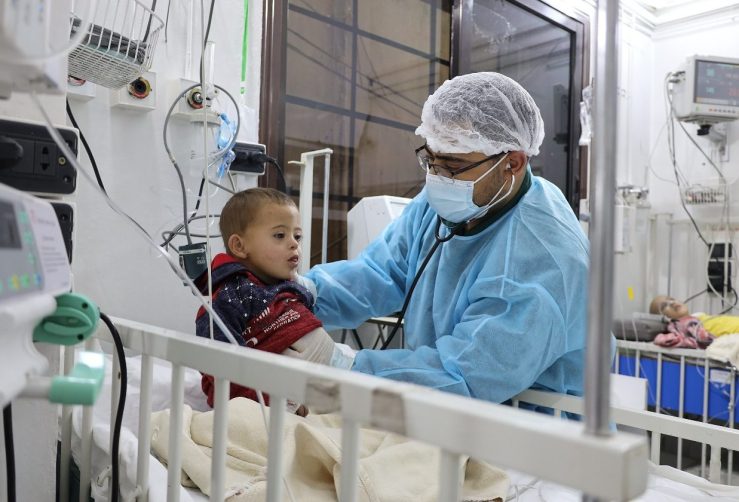
Safe childbirth, prenatal care, neonatal support, and maternal services across Syria, Greece, and Lebanon.

Community trauma healing and mental health services for Syrians and refugees.
SAMS delivers life-saving care across Syria, Lebanon, Jordan, Iraq, Gaza, Greece, and Ukraine. Your unrestricted support ensures clinics stay open, hospitals remain supplied, and families receive critical treatment every day.
SAMS is rebuilding Syria’s healthcare system, combining lifesaving care with long-term investments in hospitals, medical staff, and health infrastructure.
Phase 1: Emergency Relief
Hospitals, mobile clinics, ICU units, trauma response, and essential medications.
Phase 2: Rebuilding the Health System
Restoring facilities, strengthening supply chains, and training health workers.
Phase 3: Centers of Excellence
Advanced specialty centers in oncology, cardiology, pediatrics, trauma, and chronic disease care.
Cancer patients in Syria face severe barriers accessing care. SAMS supports oncology departments in:
Idlib Central Hospital
Bab Al-Hawa Hospital
Al-Shifaa Hospital, Afrin City
Jarablus Hospital
Al-Bab Hospital
SAMS provides diagnosis, chemotherapy, medications, and follow-up care for thousands of patients.
SAMS supports maternity hospitals in Syria including Al Dana, Qah, Raju, Afrin, and Idlib, delivering tens of thousands of babies every year.
Additional support includes:
Refugee maternal care in Greece through mobile medical units
Financial assistance in Lebanon to cover newborn hospital costs
Prenatal & postnatal care for mothers in crisis
SAMS provides counseling, therapy, and psychosocial support for displaced Syrians. Since 2019, SAMS and the Schooner Foundation have strengthened national and international mental health systems through:
Community-based trauma support
Capacity-building for local health workers
Integration into the Jordan Response Plan and WHO frameworks
Over 14,500+ services were delivered in 2024 alone.
Your Ramdan 2025 and ongoing donations helped millions of people


Ramadan is a time of reflection, compassion, and giving, and many people have questions about how they can make a meaningful impact during this holy month.
In this FAQ, we answer common questions about the significance of Ramadan, how you can support families in need, SAMS’ medical programs, Zakat donations, our operations, and our long-term initiatives like Syria Health 2030.
What is the significance of Ramadan?
Ramadan is the holiest month of the Islamic year—a time of fasting, prayer, reflection, and giving. Muslims fast from dawn to sunset to strengthen their faith and show compassion for those in need. Deeds performed during Ramadan are believed to bring multiplied spiritual rewards.
How can I help families in need this Ramadan?
Ramadan is the holiest month of the Islamic year—a time of fasting, prayer, reflection, and giving. Muslims fast from dawn to sunset to strengthen their faith and show compassion for those in need. Deeds performed during Ramadan are believed to bring multiplied spiritual rewards.
When does Ramadan 2026 start?
Ramadan in 2026 is expected to begin at sunset on Tuesday, 17 February, and end at sunset on Thursday, 19 March. As with all Islamic months, the exact start date depends on the sighting of the new moon, so dates may vary slightly by country and local religious authorities.
When is Eid 2026?
Eid al-Fitr in 2026 is expected to be celebrated on Friday, 20 March, marking the end of Ramadan. The exact date depends on the sighting of the Shawwal moon, so it may vary by country and local Islamic authorities, with celebrations beginning at sunset the night before.
What happens when you miss a fast?
If a fast is missed during Ramadan, the ruling depends on the reason. When a fast is missed for a valid excuse—such as illness, travel, pregnancy, breastfeeding, or menstruation—the missed day should be made up later when it becomes possible. If a fast is missed intentionally without a valid excuse, the individual is required to repent sincerely and make up the missed fast, and in some cases an expiation (fidya or kaffarah) may also be required, according to Islamic guidance. It is recommended to consult a trusted scholar for personal situations.
Get the latest updates on our critical health work